Holding Space for the LGBTQ+ Community
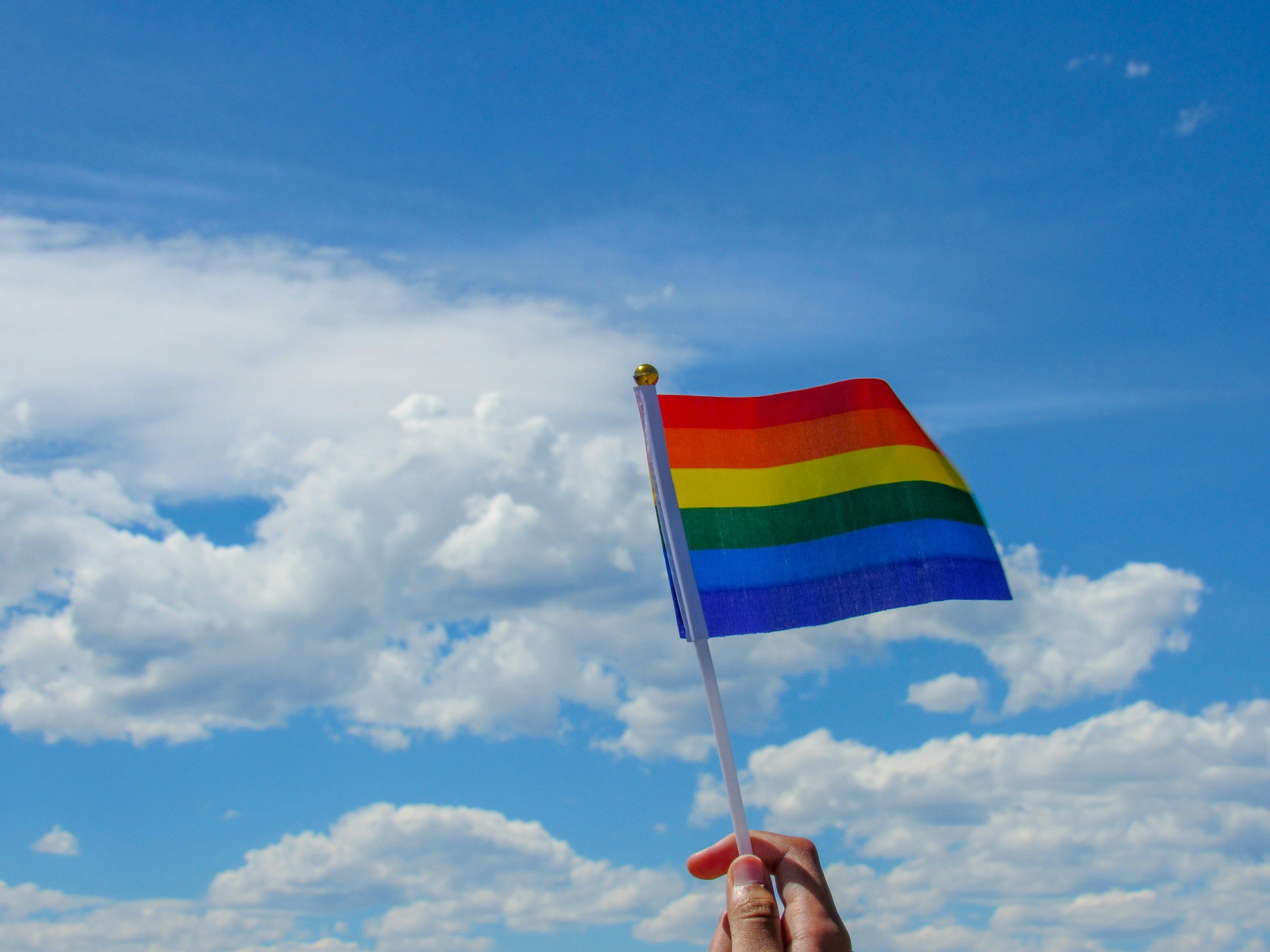
Mental health conversations within the LGBTQ+ community are not just important, I feel that they are essential.
Unique Challenges, Real Impact
LGBTQ+ individuals often face higher rates of anxiety, depression, and trauma-related stress. This isn’t because of who they are, but because of the environments they may have had to survive.
Experiences such as rejection, discrimination, microaggressions, or feeling unsafe in certain spaces can take a cumulative toll. Even in more accepting environments, there can be an internalized pressure to explain, defend, or minimize parts of oneself.
Carrying these experiences over time can lead to emotional fatigue, hypervigilance, and a deep longing to feel fully seen and accepted.
The Importance of Affirming Support
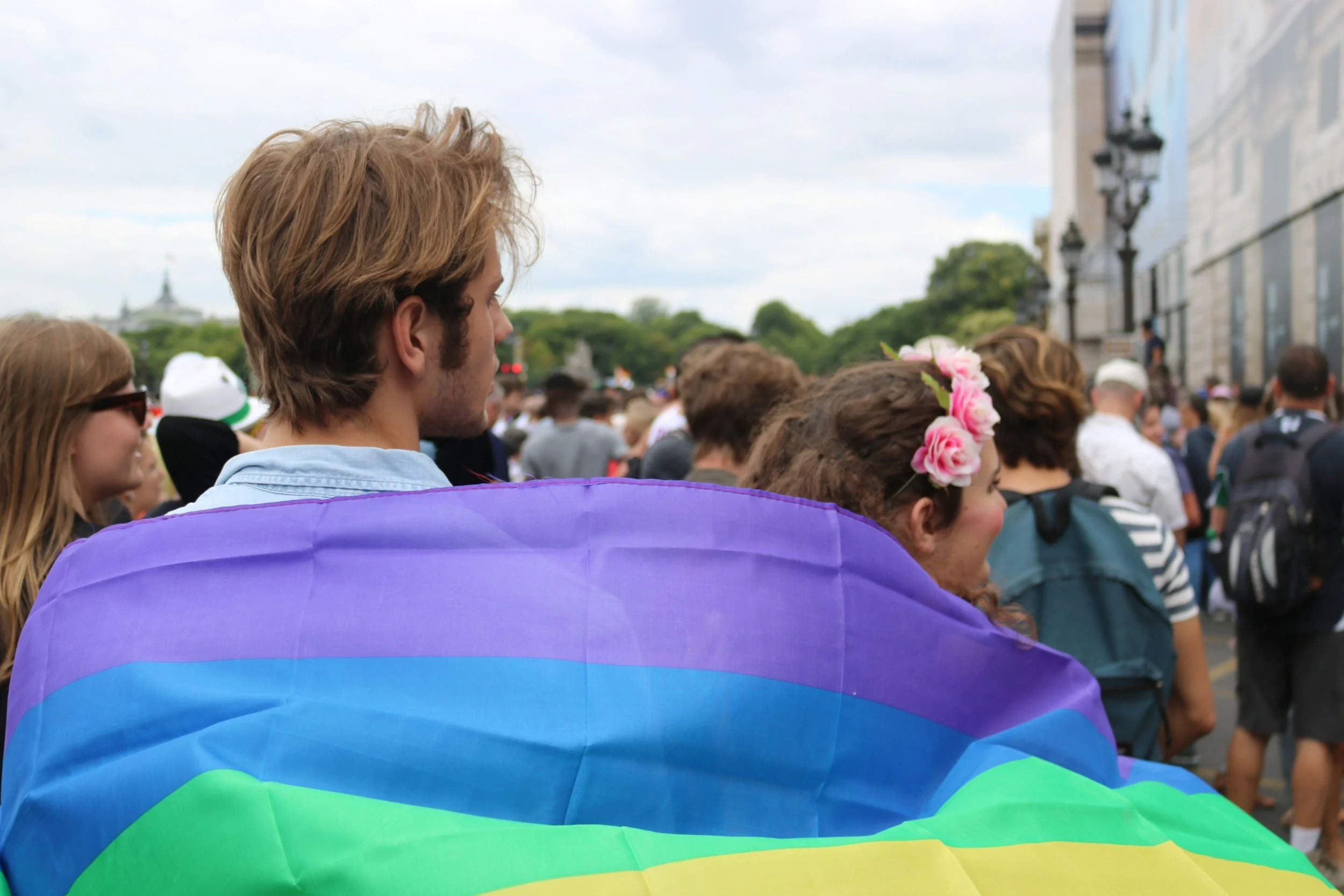
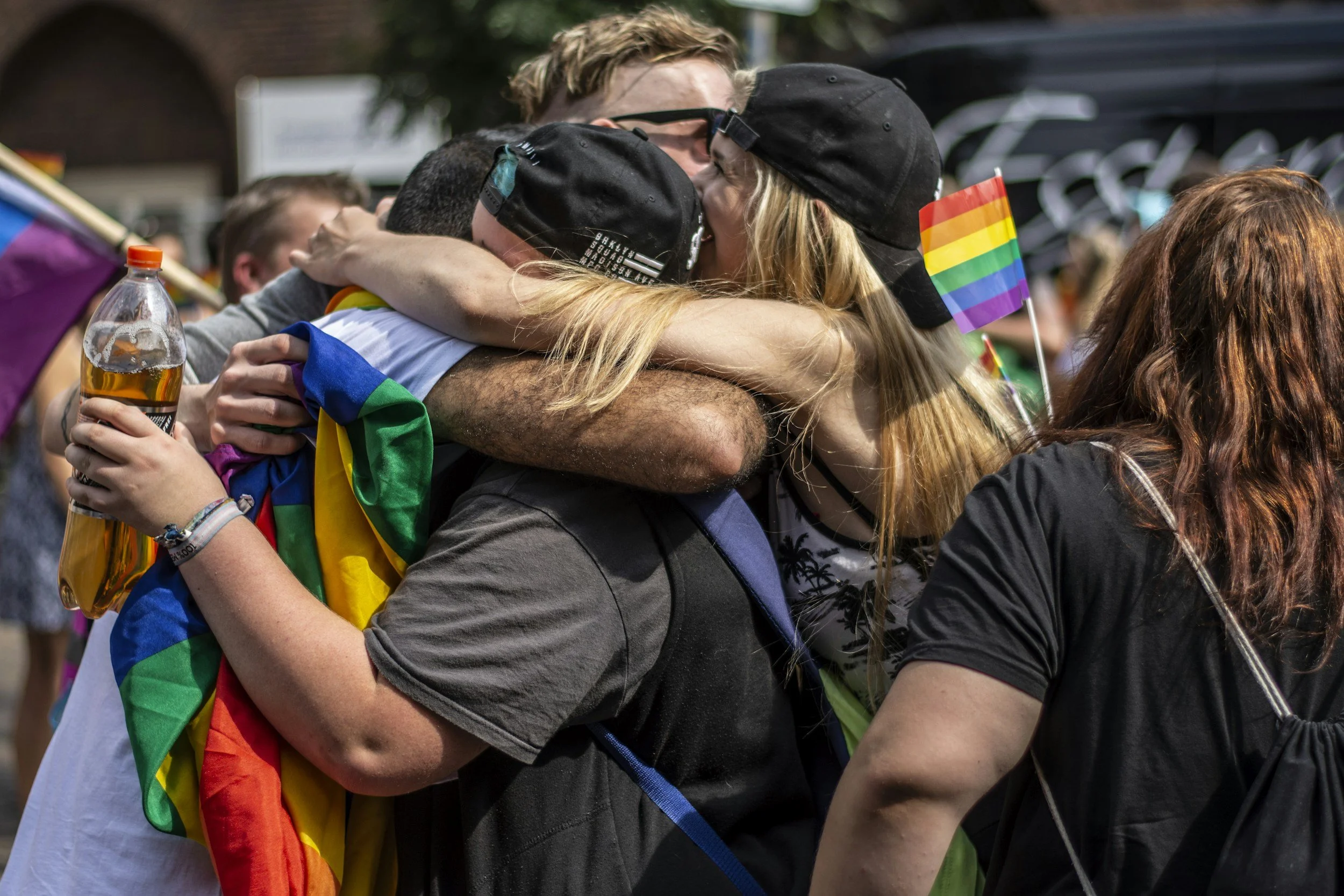
Affirming spaces can be life-changing. Whether through therapy, friendships, or community groups, being in environments where identity is respected and understood allows the nervous system to soften and the mind to feel safer.
Support is not just about coping, it’s about creating space to exist authentically without fear.
Everyday Mental Health Practices To Try
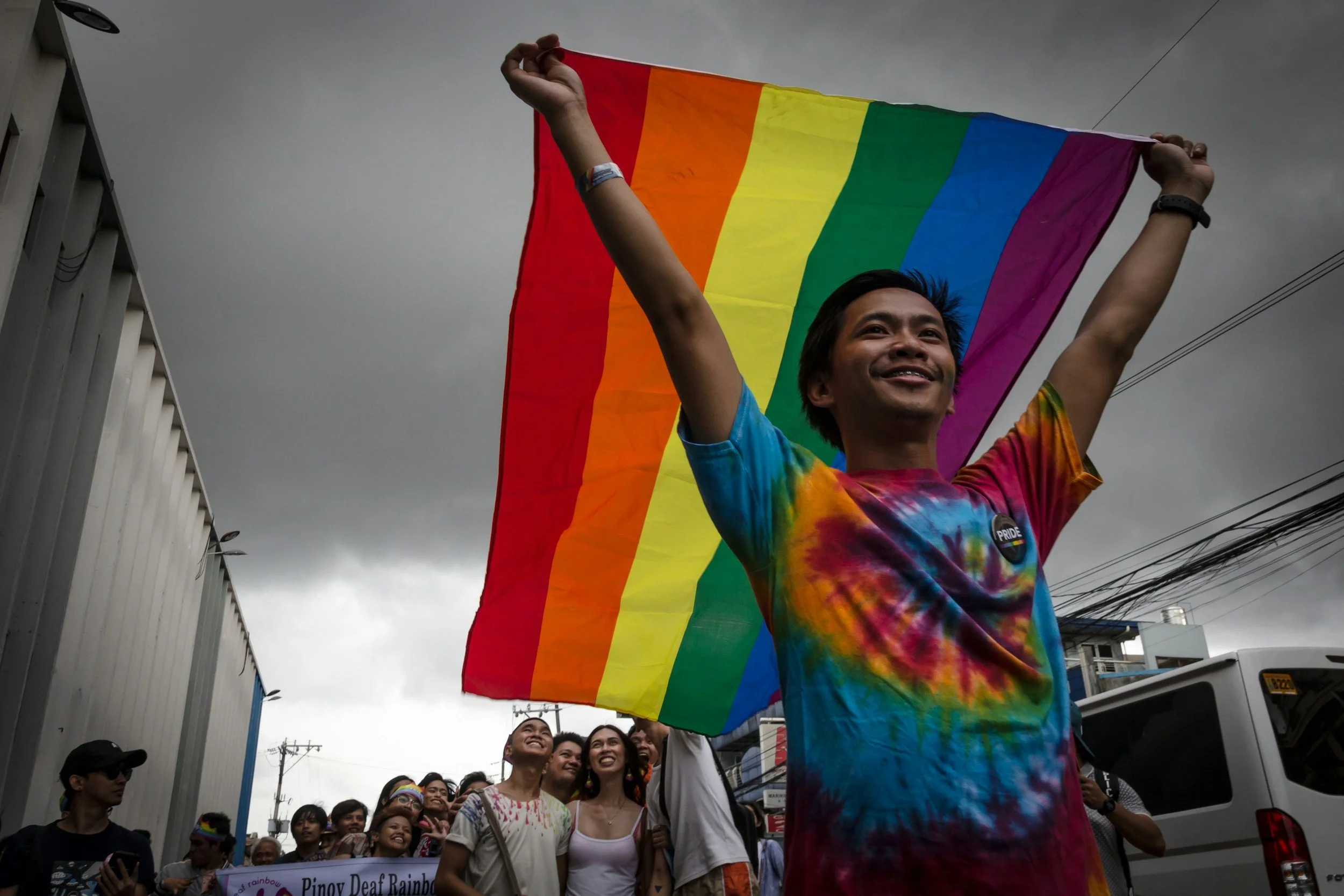
While systemic change and community support are critical, small daily practices can also help regulate and support mental well-being:
Check in with yourself regularly. Notice what you are feeling without judgment, even if it is complex or contradictory.
Set boundaries around people or spaces that feel draining or unsafe, including online environments.
Seek out affirming community, whether in person or virtual, where you can be fully yourself.
Limit comparison, especially on social media, where identity and belonging can feel performative.
Create small rituals of care, such as stepping outside, journaling, or taking intentional breaks to reset your nervous system.
You Are Not Alone
If there’s one message to carry forward, it is this: you definitely don’t have to navigate this alone.
There are communities, professionals, and resources dedicated to supporting LGBTQ+ mental health. Reaching out can feel vulnerable, but it can also be the beginning of feeling more grounded, more connected, and more at home within yourself.
Your identity is valid. Your experiences are real. And your mental health matters.