BIPOC Mental Health Month: Healing is More Than Individual
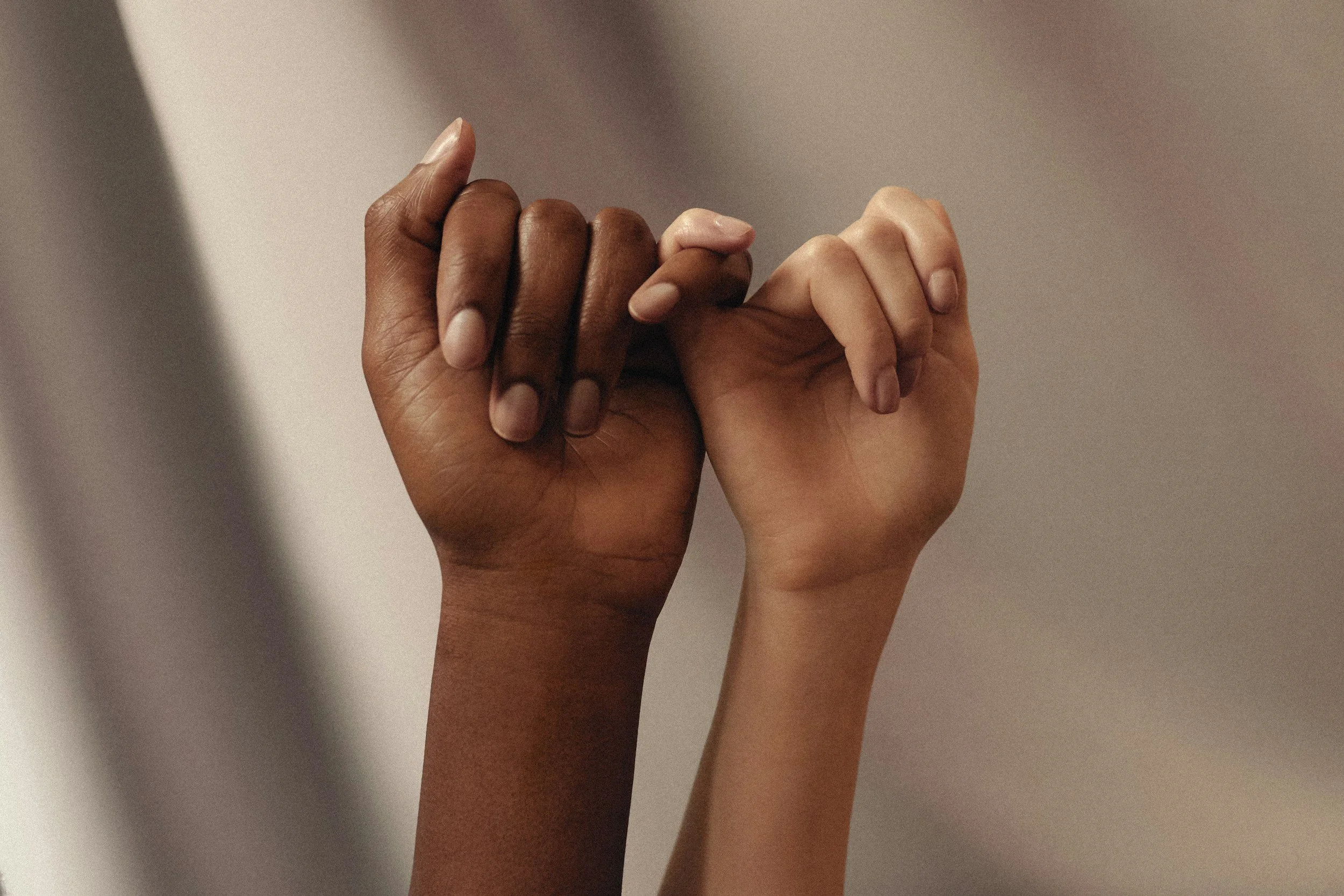
July is BIPOC Mental Health Month, a time to recognize the unique mental health experiences, challenges, strengths, and resilience of Black, Indigenous, and People of Color (BIPOC). It is also an opportunity to acknowledge that mental health doesn’t exist in isolation, but shaped by our relationships, communities, culture, history, and lived experiences.
Mental Health is More than Biology
Our emotional well-being is affected by many factors, including:
Family dynamics and generational patterns
Cultural expectations and beliefs
Experiences of discrimination or marginalization
Community support (or lack of it)
Access to quality healthcare
Financial and environmental stressors
Historical and intergenerational trauma
For many BIPOC individuals, these experiences can accumulate over time, impacting how stress is processed, how relationships are navigated, and how safe the world feels.
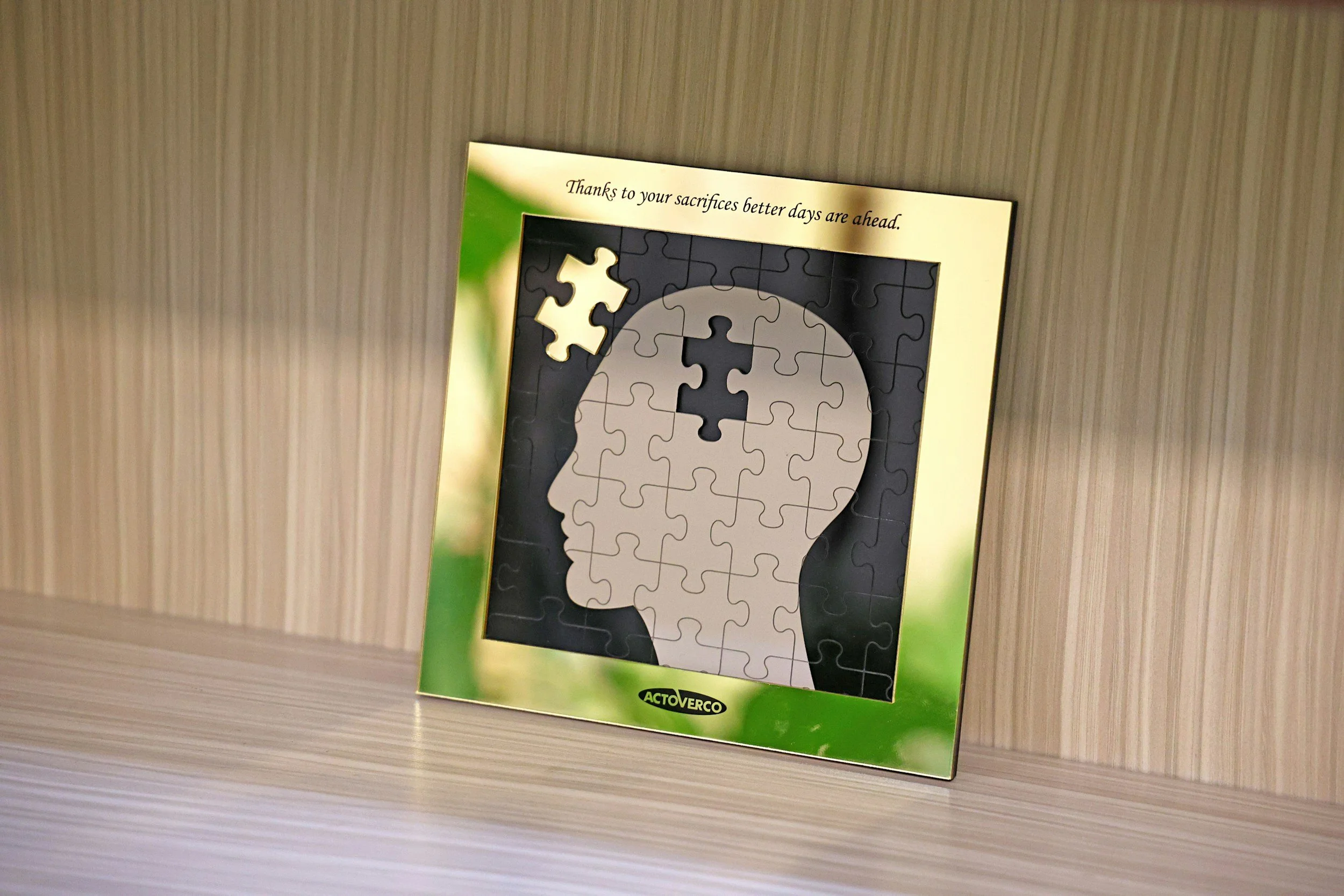
The Weight that Often Goes Unseen
There is a quiet burden many carry: the pressure to be strong, to keep going, to hold family, culture, and community together. Strength, while powerful, can sometimes come at the cost of emotional expression and support.
Messages like, “Push through,” “Don’t talk about it,” “Others have it worse,” and more, can create distance from one’s own needs. Over time, this can lead to disconnection or feeling unseen.

Healing Is Not A One-Size Fits All
Healing in BIPOC communities is deeply personal and culturally rooted. It may look like:
Reconnecting with ancestral practices or spirituality
Finding therapists who understand cultural nuance
Engaging in community circles or collective healing spaces
Naming and processing racial trauma in safe, supported ways
There is no “right” way to heal. What matters is that it feels safe, affirming, and aligned with your lived experience.
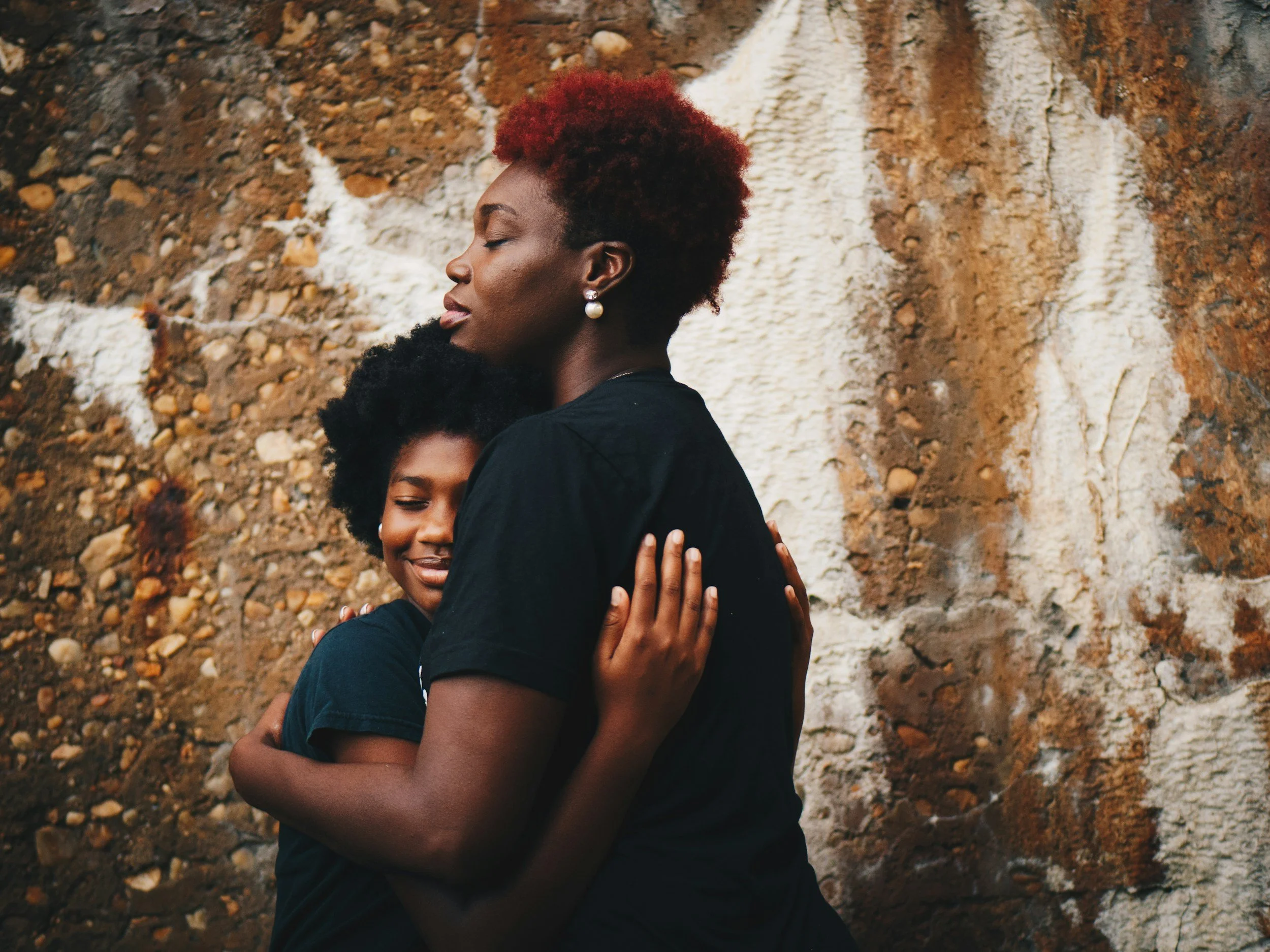
The Power of Being Seen and Held
One of the most transformative aspects of healing is being witnessed without needing to explain or justify your experience.
This is why representation matters. It’s why spaces created intentionally for BIPOC individuals are not exclusionary, but are necessary.
When people feel seen, they soften. When they soften, healing becomes possible.